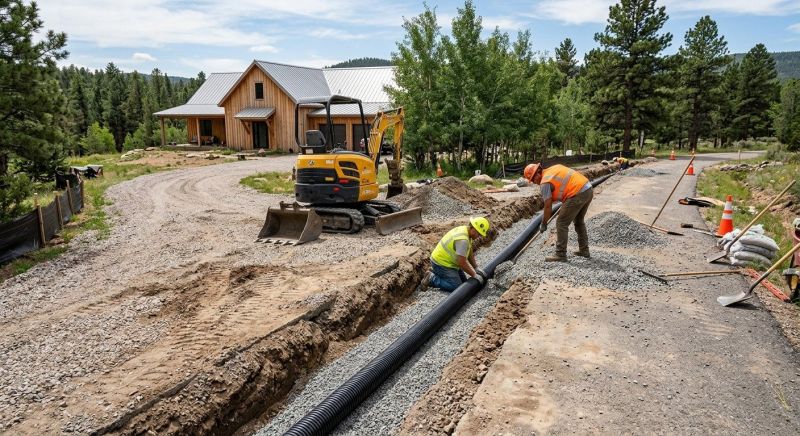
Drain Trenching in Salt Lake City, UT
Drain trenching services involve digging narrow, deep channels in the ground to redirect excess water away from a property’s foundation, basement, or landscape. This process is commonly used in projects such as installing drainage systems, managing stormwater runoff, or addressing existing water pooling issues. Property owners typically request drain trenching to prevent water damage, improve yard drainage, or prepare for landscaping projects that require effective water management solutions.
Before requesting drain trenching, property owners should consider the location and extent of the drainage problem, as well as the type of soil and underground utilities in the area. Understanding the purpose of the trenching-whether for new drainage installation or repair-can help determine the appropriate depth and design. It’s also useful to know if there are any existing underground pipes or cables that may need to be avoided during excavation.
Many property owners in Salt Lake City, UT look into Drain Trenching for repairs, replacements, upgrades, and appearance-related improvements.
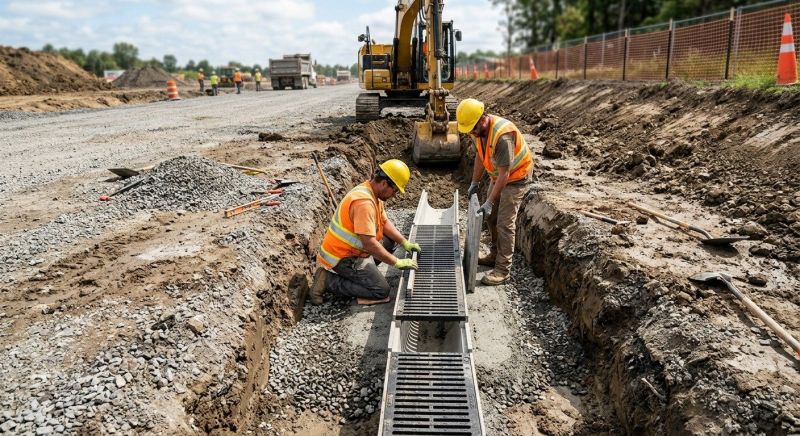
Drain Trenching For New Installations
Proper trenching ensures efficient drainage for new plumbing and irrigation systems in salt lake city properties.
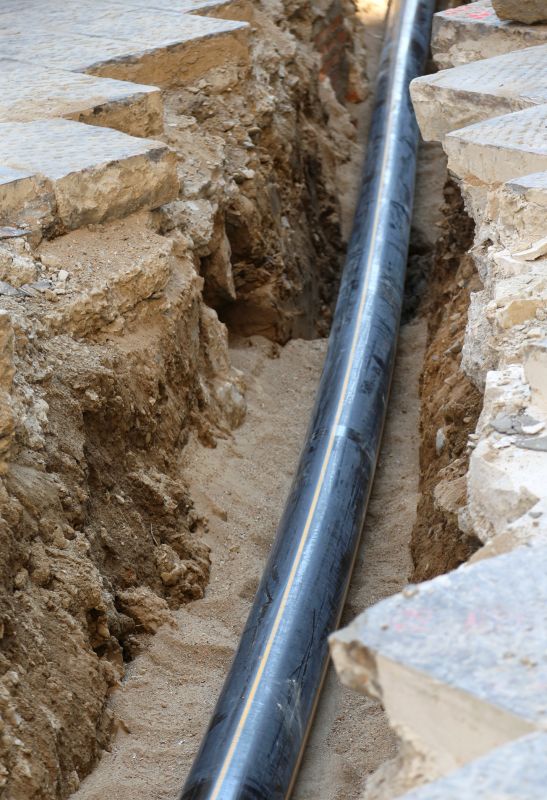
Repair And Replacement Of Existing Drains
Trenching services help access and replace damaged or outdated drain lines to prevent future issues.
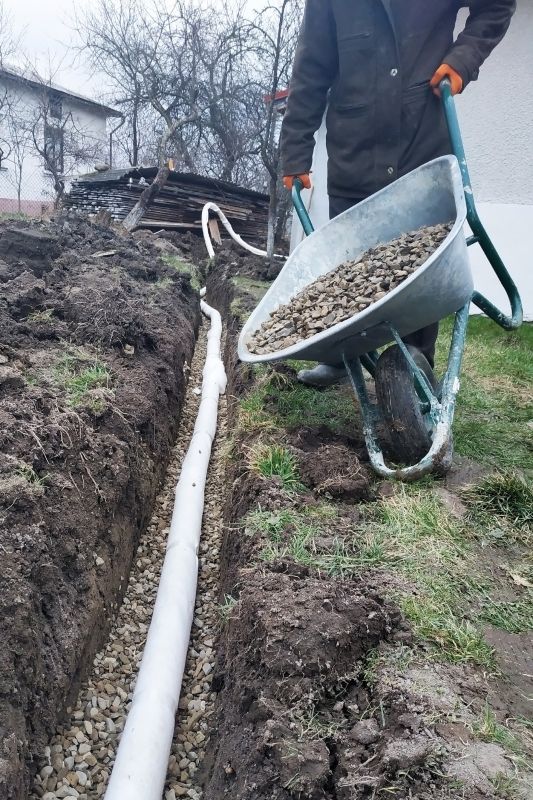
Custom Drainage Solutions For Property Management
Customized trenching setups improve water flow and prevent flooding around residential and commercial sites in salt lake city.
Drain Trenching in Salt Lake City, UT
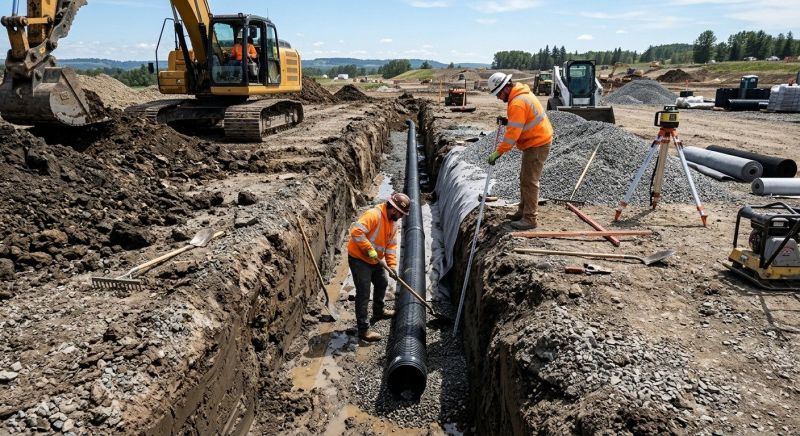
Drain trenching services involve digging narrow, deep channels in the ground to redirect excess water away from a property’s foundation, basement, or landscape. This process is commonly used in projects such as installing drainage systems, managing stormwater runoff, or addressing existing water pooling issues. Property owners typically request drain trenching to prevent water damage, improve yard drainage, or prepare for landscaping projects that require effective water management solutions.
Before requesting drain trenching, property owners should consider the location and extent of the drainage problem, as well as the type of soil and underground utilities in the area. Understanding the purpose of the trenching-whether for new drainage installation or repair-can help determine the appropriate depth and design. It’s also useful to know if there are any existing underground pipes or cables that may need to be avoided during excavation.
Many property owners in Salt Lake City, UT look into Drain Trenching for repairs, replacements, upgrades, and appearance-related improvements.
Common Drain Trenching Jobs
Drain trenching - creates a dedicated channel for effective water drainage around the property.
Foundation drainage - helps prevent water accumulation that can lead to basement flooding.
Landscape drainage - directs excess water away from lawns and garden areas.
Yard grading - improves slope to facilitate proper water runoff and reduce erosion.
Stormwater management - installs trenches to manage heavy rainwater and prevent pooling.
Drainage repair - addresses existing trench issues to restore proper water flow.
Drain Trenching Questions
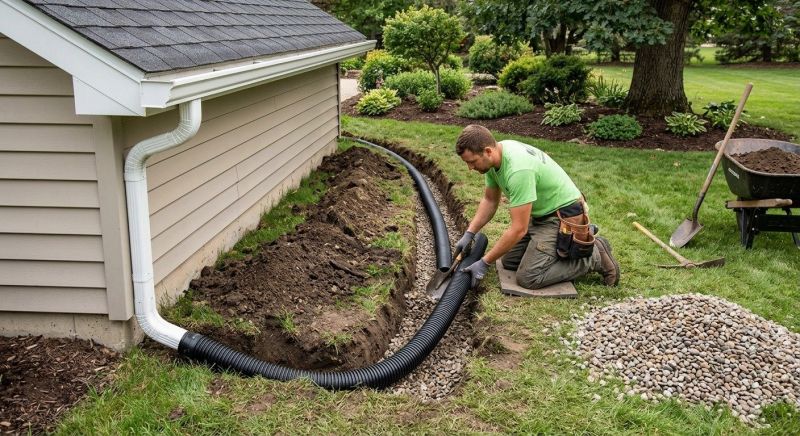
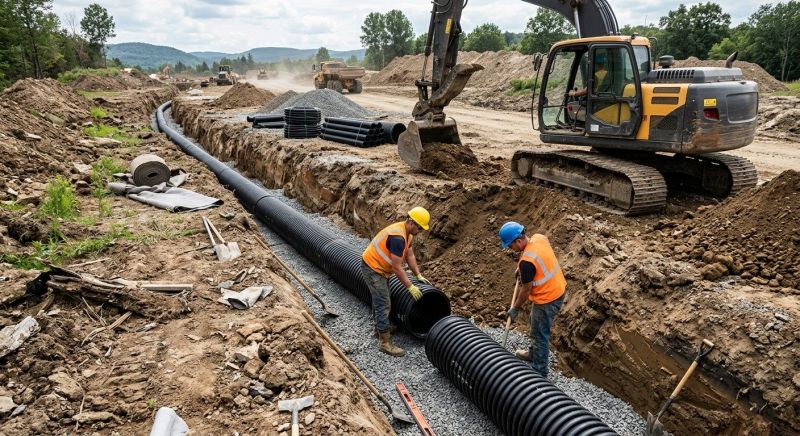
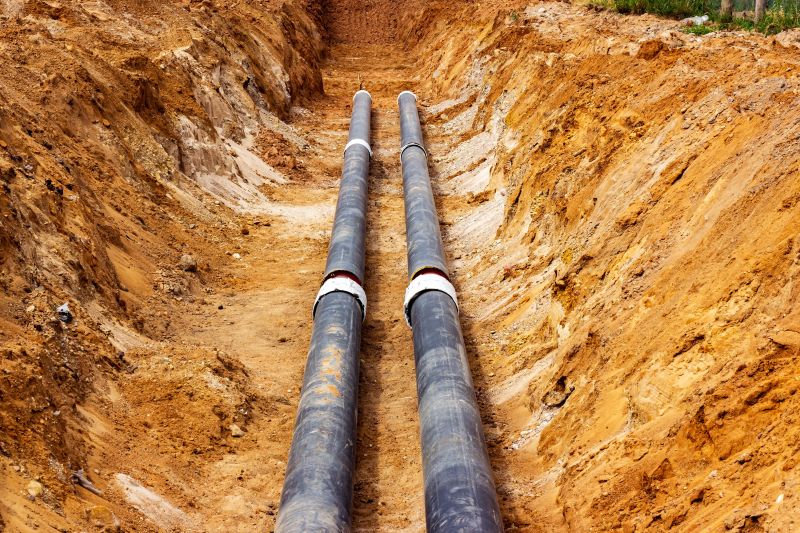
What is drain trenching? Drain trenching involves digging narrow channels to install or repair underground drainage systems, helping to prevent water buildup around properties.
When is drain trenching needed? It’s typically used when existing drains are clogged, damaged, or when new drainage pathways are required to manage excess water.
What types of projects require drain trenching? Common projects include installing foundation drains, yard drainage systems, or replacing broken or collapsed underground pipes.
How does drain trenching benefit property owners? It improves water flow away from structures, reduces flooding risks, and helps maintain the integrity of landscaping and foundations.
Request Drain Trenching in Salt Lake City, UT
Use the quote form on this page to share the basics of your project and request more information for the type of work you need.